
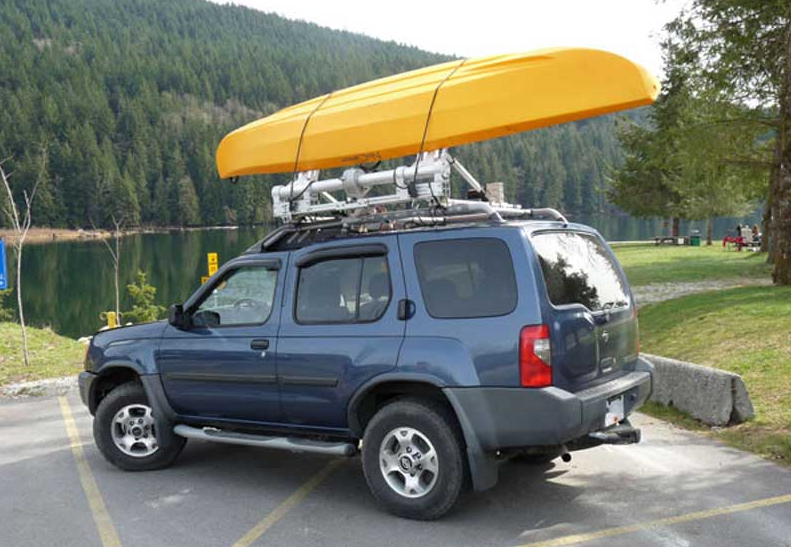

Not every hull is built the same, and neither is every lifting solution. Many paddlers and boaters buy the wrong equipment because the names sound alike, then find it does not suit their craft or vehicle.
Understanding the differences saves money, protects your back and keeps your gear safe. Whether you carry a lightweight paddle craft or a heavy fishing rig, choosing the right boat loader starts with knowing what each option is built to do.
Why The Differences Matter
Loading a boat sounds simple until you face a wet dock, a tall vehicle and a hull that weighs more than you expected. The weight, length and shape of your craft decide what kind of lifting help you need.
A system designed for a 40-pound kayak will not handle a 300-pound aluminum fishing boat, and the reverse is just as impractical. Matching the loader to the craft is the first step toward safe, easy transport.
What Is A Canoe Loader?
A canoe loader is built around the long, open shape of a canoe. Canoes are usually longer and heavier than kayaks, and they are awkward to lift because of their length and wide beam.
A canoe loader roof rack solves this by moving the lifting work away from your arms. The rack helps raise the canoe from ground level up to the roof of your vehicle, so you do not have to press it overhead while balancing on tiptoe. Key features usually include:
- Padded contact points that protect the hull and your roof
- A design that handles a longer, wider hull
- Secure positioning for highway travel
This option suits people who paddle often, travel with a partner’s canoe or simply want an easier way to load a heavier craft.
What Is A Kayak Loader?
Kayaks are narrower, sleeker and often lighter, but they come with their own challenges. Their curved hulls can slide or shift, and sit-on-top and touring models vary a great deal in size.
A kayak roof loading system is designed to cradle that shape securely. It lifts the kayak to roof height and holds it in a stable position, often with cradles or supports that match the hull’s curve. This reduces the risk of scratches, dents and slipping during loading. It is especially helpful for shorter people, tall vehicles and anyone who carries more than one kayak.
What Is A Boat Loader?
A boat loader is the heavy-duty member of the family. It is meant for larger craft such as aluminum fishing boats, small motorboats and even pontoons. These boats are far heavier than any canoe or kayak, so lifting by hand is often unsafe or simply impossible for one person.
A motorized boat loading system typically uses an electric motor, strong lifting arms and a solid mounting frame. With a remote control, one person can raise the boat, position it and secure it for travel. Many boaters like this setup because it removes the need for a second person and often avoids the need for a trailer altogether.
Side-By-Side Comparison
This table shows how the three options differ in everyday use.
| Feature | Canoe Loader | Kayak Loader | Boat Loader |
| Best for | Canoes of various lengths | Sit-in and sit-on-top kayaks | Fishing boats, motorboats, pontoons |
| Typical weight handled | Light to medium | Light | Medium to heavy |
| Main goal | Easier roof loading | Stable, scratch-free loading | Full motorized lifting |
| Power type | Often assisted rack | Often assisted rack or cradle | Usually electric, remote controlled |
| Common vehicle | Cars, SUVs, trucks | Cars, SUVs, trucks | Trucks, SUVs, RVs, vans |
How To Choose The Right Loader
Choosing well starts with a few honest questions.
- Check Your Craft’s Weight and Length
Start with the numbers. Weigh your canoe, kayak or boat, and measure its length. Then compare those figures with the loader’s rated capacity, leaving a comfortable safety margin.
- Consider Your Vehicle
Roof height, mounting points and load ratings all affect what will work. A tall truck may need a different setup than a compact SUV, so confirm compatibility before you buy.
- Think About How Often You Paddle or Boat
If you load once or twice a season, a simple assisted rack may be enough. If you head out every weekend, the convenience of a powered boat loading system pays off quickly.
- Plan for Solo Use
Many people load alone. If that is you, prioritize a system that gives you full control without needing a helper.
- Care and Safety Tips
A good loader lasts longer with basic care. Rinse it with fresh water after saltwater trips, inspect bolts and straps regularly, and test moving parts before each season. Always secure your craft with proper tie-downs before driving, even when the loader holds it firmly.
Find The Loader That Fits Your Adventure
Choosing the right loader is really about matching the equipment to your craft, your vehicle and how often you head out. At Load It Industries, we build solutions that make lifting, carrying and launching simple, safe and stress-free.
If you are weighing a boat loading system for your next season, reach out to us, and we will help you find the right fit so you can spend less time loading and more time on the water.
People Also Ask
1. What is the main difference between a canoe loader and a kayak loader?
A canoe loader is shaped for longer, wider hulls, while a kayak loader is designed for narrower, curved hulls. Both make roof loading easier, but the supports differ to suit each craft.
2. Can one loader handle canoes, kayaks and boats?
Some systems are versatile, but many are built for a specific weight range. Always check capacity and fit before using one loader for several types of craft.
3. Is a motorized boat loader worth it?
For heavier boats, yes. It reduces strain, improves safety and lets one person load without help.
4. Will a roof loading system scratch my vehicle?
A properly designed system uses padded contact points to protect both the hull and the roof. Correct installation and careful use help prevent marks.
5. Do I still need a trailer with a boat loader?
Not always. Many loaders mount directly on a truck, SUV or RV, which can remove the need for a trailer and simplify storage.