
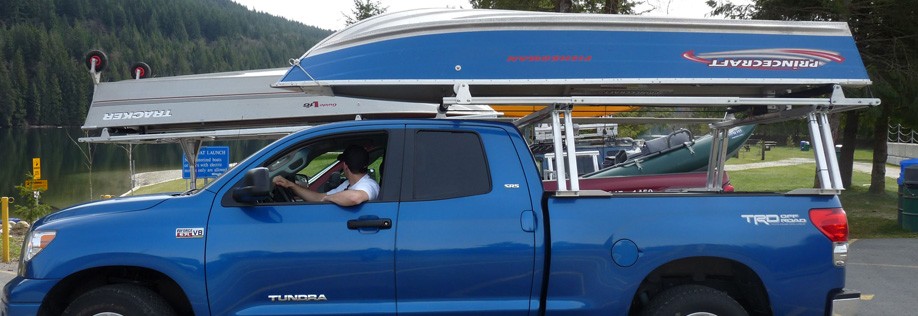

Great fishing days should not start with a battle against your own tailgate. Wrestling a heavy boat onto a truck wastes energy, invites scratches and can leave you sore before the first cast.
The right boat loader for truck owners turns that struggle into a smooth, one-person routine. But with so many designs available, choosing well takes a little homework. Here are the key points to weigh before you buy.
Start With Your Boat
Your boat sets the rules for everything else, so begin there.
- Weight and Length
Every loader has a rated capacity. Choose a system that handles your boat’s weight comfortably, including motor, gear and fuel if they stay aboard. Length matters too, because a longer hull changes how the boat balances during the lift.
- Boat Type
Canoes, kayaks, inflatables, aluminum fishing boats and pontoons all load differently. A lightweight paddle craft needs a compact cradle, while a wide pontoon calls for an adjustable, heavy-duty design.
Knowing your hull shape helps you pick supports that hold it securely without pressure points.
Look At Your Truck And Setup
The best loader is one that suits the vehicle carrying it.
Cab, Bed and Payload
Check your truck’s payload rating before adding any equipment. The loader, the boat and your gear all count toward that total. Confirm the mounting points are sturdy and that the system fits your bed length and cab height.
Campers and Add-Ons
If you travel with a shell or slide-in unit, planning matters even more. A boat loader for pickup truck camper setups must clear the camper’s height and leave room for doors, hatches and access. Measure everything before you commit.
Compare Loader Styles
Different systems suit different needs. This table shows how the main considerations line up.
| Consideration | Why It Matters | What to Ask |
| Lifting method | Determines effort and speed | Is it motorized or manual? |
| Boat capacity | Prevents overload and damage | What weight and length are supported? |
| Vehicle fit | Affects safety and stability | Does it suit my truck and camper? |
| Materials | Controls lifespan and rust risk | Is it aluminum and stainless steel? |
| Controls | Impacts ease of use | Does it include a remote? |
| Installation | Affects downtime | Can it be mounted in hours? |
A truck bed loader keeps the boat elevated and secured while leaving your cargo area usable. This is a big advantage for anglers who also haul coolers, rods and camping gear.
Decide How Much Automation You Want
Manual systems can work for light boats, but motorized options remove most of the physical effort. With a remote-controlled lift, you can raise, position and secure the boat from a safe distance.
That makes a real difference for solo boaters, older adults and anyone with a bad shoulder or back. If you launch alone often, automation is worth serious thought.
Think About Rear Access And Launching
Many boaters prefer a Rear Boat Loading System because it lets you approach the boat from ground level. You bring the hull to the back of the truck, and the loader lifts it into position without an overhead hoist.
Unloading works in reverse, lowering the boat gently near the water. Some systems even remove the need for a trailer, which simplifies storage and makes tight launch ramps easier to handle.
Check Materials And Build Quality
A loader lives outdoors, faces rain, spray and road grime, and often meets saltwater. Strong, lightweight aluminum paired with stainless steel hardware resists corrosion and keeps weight down.
Aircraft-grade aluminum is a good sign, because it delivers strength without adding needless bulk to your truck. Look closely at welds, hinges and fasteners, since these details show how long a system will last.
Prioritize Safety Features
Safety should never be an afterthought. Look for stable arms, reliable locking and padded contact points that cushion your hull. A controlled lift reduces the risk of a boat slipping or swinging as you load. Also make sure the boat sits firmly once secured, because road vibration can loosen weak connections over time.
Consider Installation And Daily Use
A system that takes weeks to install is a hassle. Look for designs with ready-to-use components that mount in hours rather than days. Also think about how the loader feels in daily use. Is it quiet, quick and simple to operate? Can you fold it or clear it out of the way when the boat is not on board? Small conveniences add up over a whole boating season.
Ready To Find The Right Fit?
The right choice makes every trip easier, safer and more enjoyable. At Load It Industries, we build durable systems designed for one-person operation, and we are happy to help you find a Rear Boat Loading System that suits your truck and your boat.
Contact us today, share your setup and let us guide you toward a solution that takes the heavy lifting out of every launch.
People Also Ask
1. What size boat loader do I need for my pickup truck?
Match the loader’s rated capacity to your boat’s total weight and length, then confirm your truck’s payload can carry the combined load. When in doubt, choose a system rated above your actual needs.
2. Can a boat loader work with a truck camper?
Yes, but you must plan the fit carefully. Measure camper height, door swing and access points so the loader and boat clear everything without blocking storage or entry.
3. Is a motorized boat loader worth it?
For most solo boaters, yes. Motorized systems reduce lifting, save time and lower injury risk, especially with heavier boats or frequent trips.
4. Do I still need a trailer with a boat loader?
Not always. Many systems load and carry boats directly on your vehicle, which can remove the need for a traditional trailer and simplify storage.
5. How long does installation usually take?
Well-designed systems are made for quick mounting and can often be installed in hours. Exact time depends on your truck, your setup and the model you choose.